(Title thanks to Paul Simon)
A week after starting our meander we arrived in Louisiana, camped on the northside of Lake Ponchartrain, kayaked the Tchefuncte River, spent three days biking ALL around New Orleans, and finally landed on the south end of Cajun Country in a gorgeous restored bank AirB&B in Patterson on Bayou Teche.
This post is about water: too much of it for humans down here, and what, if anything, can be done about it. I learned in my Master Water Steward class that the enemies of water quality are: speed, quantity and, of course, pollution. Big Muddy has all of these in increasing supplies. Increasing frequency and amounts of rain over the past decade speeds up the water which pulls more sediment off the banks which courses down the Mississippi bypassing the swamps and marshes that used to filter the excess nitrogen from our Minnesota corn and soy monoculture and emptying into the Gulf that kills the fish at the dead zone bottom. A lot of this has been going on for millennia, except the fertilizer and the quantity part. Attempts to lessen the fertilizer dump by promoting nonagricultural buffers along farming waterways in Minnesota have been met with resistance by farmers taught only to think of their family’s welfare and increasing profits short term. Sounds good, until the Mad King comes along and threatens the export trade agreements these crops are based on in order to please a few steelworkers and steel company donors.
Chorus: 🎹🎺🎼🥁One Man’s Ceiling is Another Man’s Floor
Post Katrina there are new walls on the eastern side of New Orleans and longer term tactics to keep 100 year storm events and rising seas from bringing the gulf into the city. But short of sending the excess water into space–hey, Mars could use some– there is a fatalism about that fighting climate change is a losing battle. “In 65 years”, says the volunteer docent at the Maritime Museum in Madisonville, LA, “this will all be under water.” In the meantime Laisser les bon temps rouler, while lawsuits against the oil and gas industry to fund part of the recovery costs attributed to the canals and removal of wetlands integral to the off shore drilling make their way through the courts.


This area once was covered with a huge cypress forest. Trees grew to redwood heights and girths.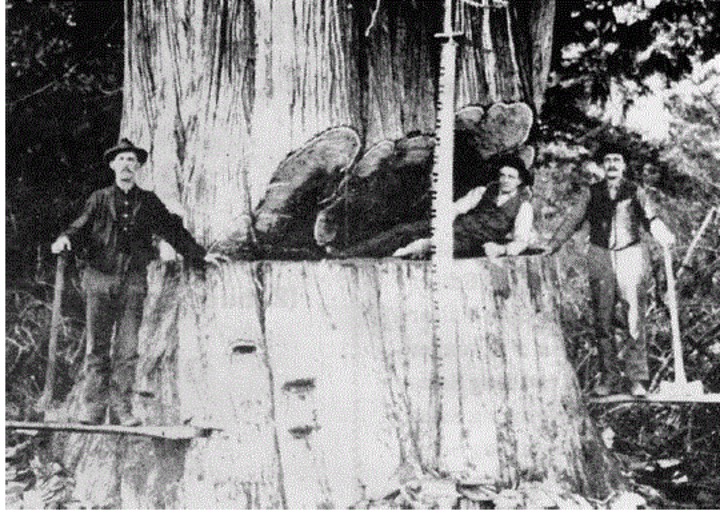 The trees and their understory cleaned the water, creating an Eden rich with fish, game and flowers. As with so many other forests, the “endless supply” fell quickly to the insatiable humans and by the end of the 1930’s the forest was gone. On our paddle there were far too few cypresses, but on one someone had placed two cajun “little people”. Those spikey stumps are called cypress “knees”. They aren’t stumps at all, but part of the tree’s root structure.
Bayou Teche joins the Atachafalaya River at Patterson. (A bayou is just a slow moving river). The Atachafalya runs out of a giant swamp with the same name. It is the nation’s largest wetland and swamp, just short of one million acres! This Atachafalya Swamp plays a key role in keeping Baton Rouge and NOLA above water: right now the gates have opened and billions of gallons of water are flowing out of the main Mississippi channel to flood the swamp. Control Structure.
Did I mention that it’s crawfish season in Cajun Couhtry? Boiled fresh, in gumbo, broiled in a salad, on pasta–it’s all good.
Tomorrow we are on to camp on Grand Isle, way at the bottom. Hoping for migratory birds and bay kayaking. Next chapter: New Orleans by bicycle.
 Other states, other lives, other souls